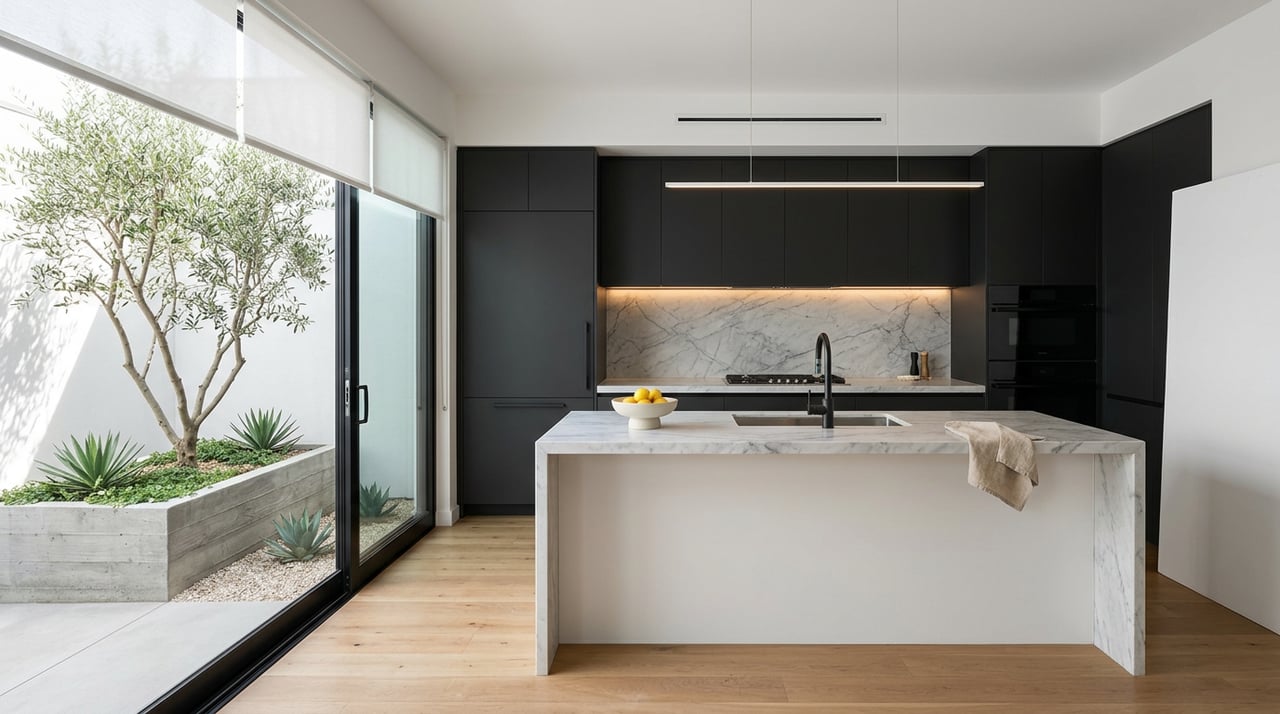
Prepare Your Home to Sell in Thousand Oaks With Confidence
March 24, 2026
March 24, 2026
Thinking about selling in Thousand Oaks and not sure where to start? You are not alone. Buyers here scan photos fast, compare dozens of homes online, and show up expecting move‑in‑ready condition and inviting outdoor spaces. In this guide, you will get a clear, local plan to prepare your home in 2 to 6 weeks, focus your budget on high‑ROI updates, and launch with confidence. Let’s dive in.
Buyers across Conejo Valley care about three things you can directly influence: condition, presentation, and predictability.
Public market snapshots in early 2026 show Thousand Oaks hovering around a million‑dollar median price, with some submarkets moving slower than last year. The takeaway is simple. You need strong presentation, smart pricing, and clean paperwork to capture attention in the first week on market.
Start with the fastest wins. Box up personal items, remove visual clutter, and schedule a professional deep clean for kitchen and baths. Neutral, airy rooms photograph better and feel larger on tours.
Hit the visible repairs. Replace burned‑out bulbs, tighten hardware, fix leaky faucets, repair torn screens, and lubricate sticky doors. These small tasks reduce inspection issues and protect your negotiating power.
Do a nose test. Pet and cooking odors linger in soft surfaces. Deodorize, wash textiles, and open windows before showings.
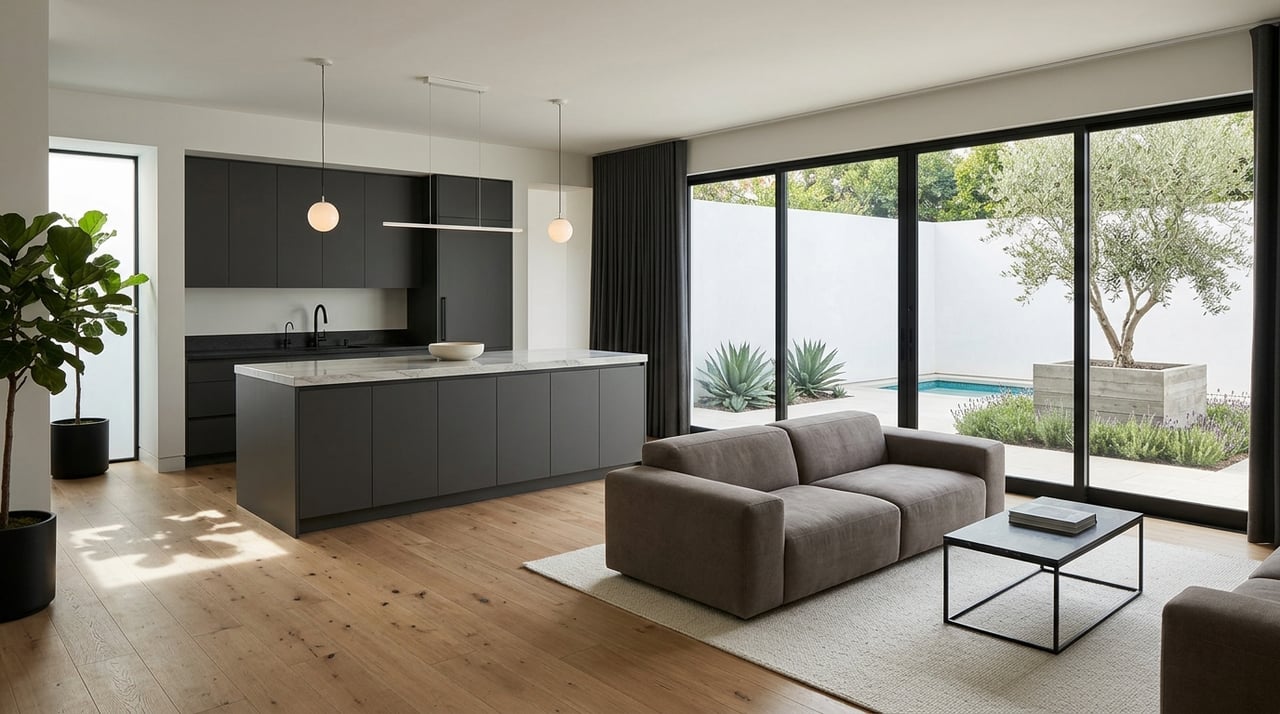
Stage key rooms. Focus on the living room, dining, and the primary suite. If you have a bonus room, present it as a functional office or flex space. NAR’s staging data indicates buyers find it easier to visualize a home when it is staged, and many agents report shorter time on market.
Invest in professional media. Quality photos and a clear floor plan drive online engagement. Local vendors typically charge about 175 to 400 dollars for a standard photo set, with add‑ons for twilight or drone. 3D tours usually range from 300 to 700 dollars depending on size, and virtual staging commonly runs 40 to 100 dollars per image. You can review typical ranges on HomeJab’s pricing overview. For photo prep tips, see NAR’s listing photo guide.
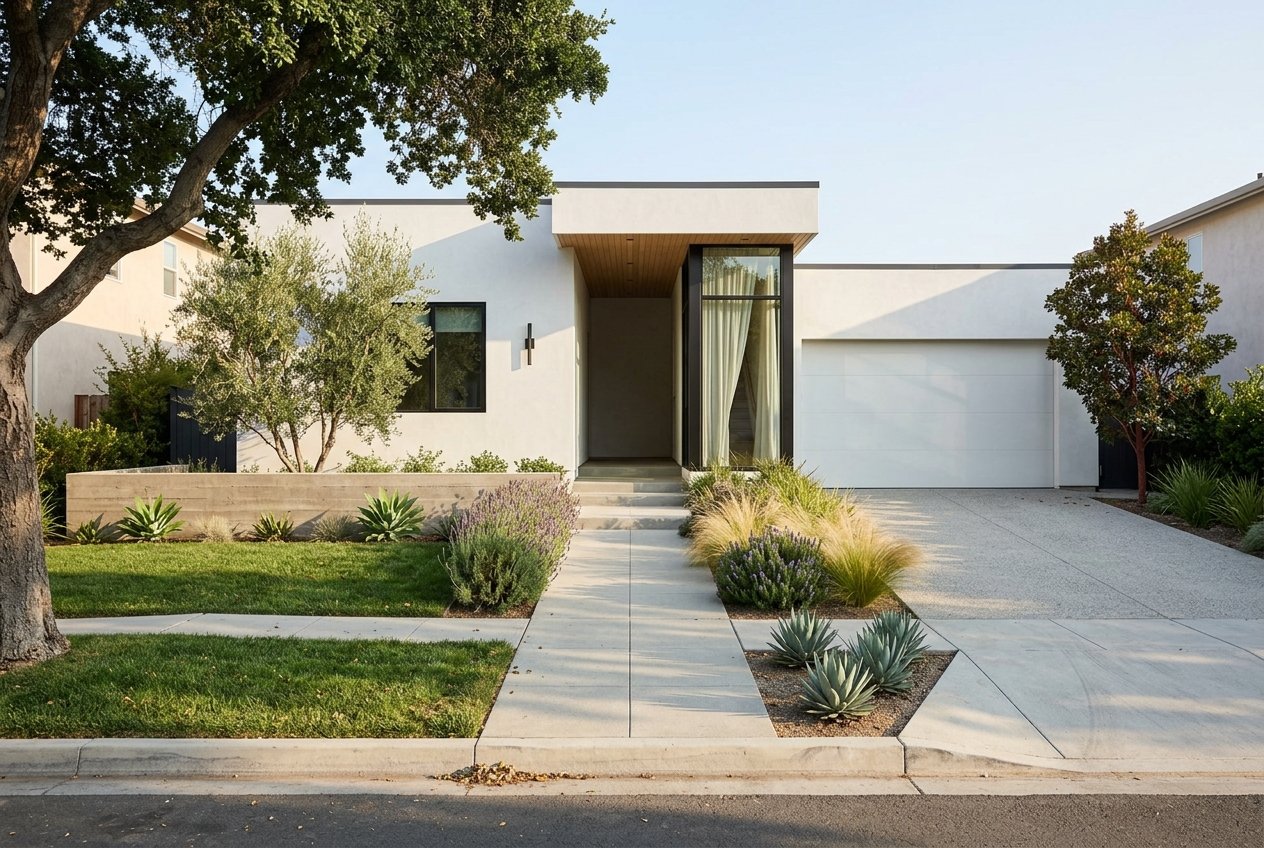
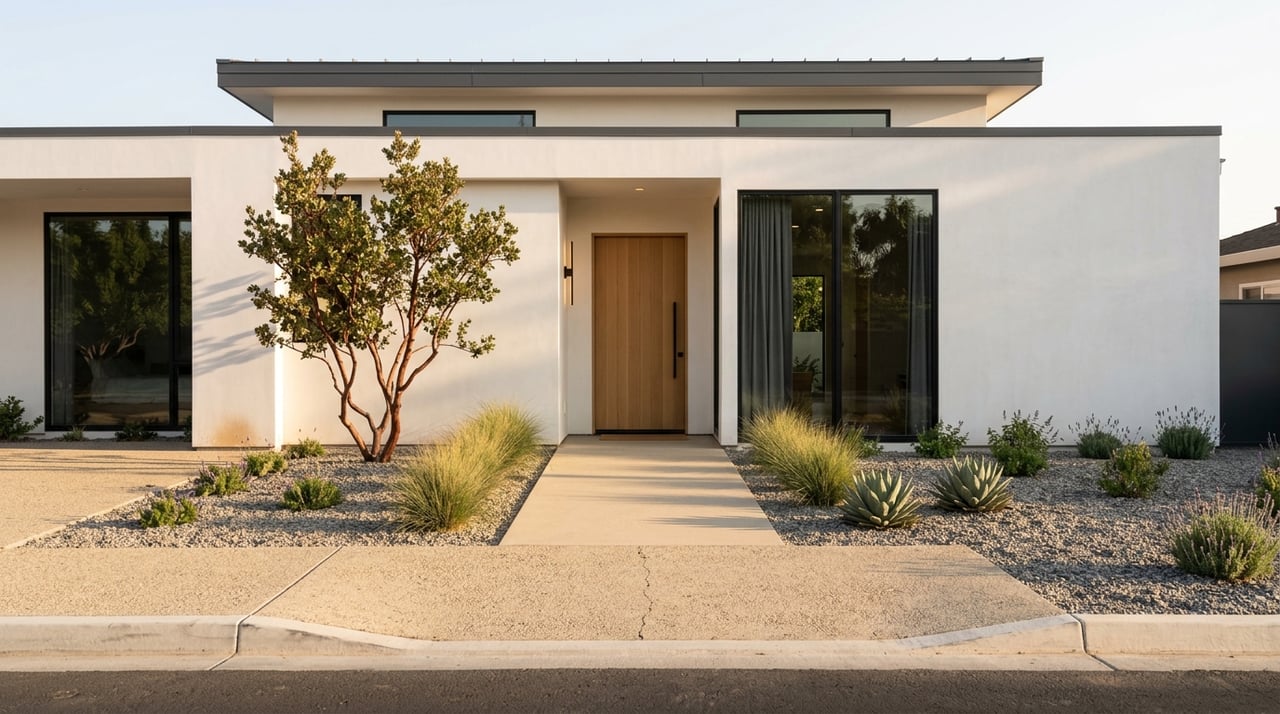
Dial in curb appeal. Mow and edge, trim hedges, power wash paths, refresh mulch, and consider a freshly painted front door. A few potted plants at the entry welcome buyers in. For simple ideas, try NAR’s curb appeal tips.
You do not need a full remodel to impress. National Cost vs. Value data highlights several smaller projects that often return more than they cost:
See the full 2024 tables in Remodeling Magazine’s Cost vs. Value report. In Thousand Oaks, that usually means updating cabinet hardware, refinishing or refacing tired doors, upgrading worn countertops, and repainting for a fresh, cohesive look. Exterior paint touch‑ups and new light fixtures can also deliver an outsized lift.
Get your documents ready early. California sellers must complete a Transfer Disclosure Statement and deliver other statutory disclosures, including the Natural Hazard Disclosure where applicable. Late delivery can open rescission windows for buyers and slow your closing. Learn the basics in the California DRE’s disclosure guide.
Verify permit history for major work like additions, kitchen overhauls, ADUs, electrical, or HVAC upgrades. If you have permits, gather them now. If you do not, be prepared to explain the scope of work and discuss options with your agent. Some sellers also order pre‑listing home and pest inspections to reduce surprises and keep timelines tight.
Parts of Ventura County fall within mapped Fire Hazard Severity Zones. If your property is in a High or Very High zone, you may have defensible‑space obligations that affect your transaction. Start by checking your address using the CAL FIRE FHSZ resources and guidance at CAL FIRE’s FHSZ information page.
Locally, the Ventura County Fire Department’s Standard 515 outlines defensible‑space and fuel‑modification requirements, typically focusing on the 0 to 100‑foot zone around structures. Review the specifics at VCFD Standard 515. Trim vegetation, clear dead plant matter, and maintain proper spacing. Save any inspection notes and receipts so buyers, insurers, and lenders can verify compliance.
Document FHSZ status in your disclosure package and make sure your Natural Hazard Disclosure reflects the property’s mapped designation. If you complete defensible‑space work before listing, highlight it in your marketing remarks.
Your first 7 to 10 days on market are your spotlight. Use them well. Professional photos, floor plans, and 3D tours invite buyers to linger on your listing and book a showing. Local pricing typically ranges as follows, with timing that can fit tight listing schedules:
See typical package ranges on HomeJab’s pricing page, and review presentation tips in NAR’s photo guide. Even mid‑priced homes benefit from media that feels editorial and aspirational.
If you want to make value‑adding improvements without paying up front, consider Compass Concierge. The program advances the cost of eligible services like staging, painting, flooring, landscaping, minor renovations, and certain inspections, with no fees or interest due until closing, program end, or 12 months after start per local terms. Learn more on the Compass Concierge page.
Concierge can be ideal if timing is tight or you prefer to preserve cash before closing. Scope matters. Keep it focused on high‑ROI, low‑disruption items like paint, lighting, garage‑door replacement, curb appeal, and minor kitchen refreshes. If any work requires permits, make sure vendors pull and close them before you hit the market, or disclose clearly to buyers.
Your launch should blend data, presentation, and tempo. Confirm your pricing strategy with a fresh set of comparables in your specific neighborhood and price band. Then debut with complete media, a clean description that spotlights outdoor living and functional spaces, and a showing schedule that builds momentum through the first weekend.
Track online views and in‑person feedback in the first 72 hours. If traffic is lighter than expected, be ready to adjust price or presentation quickly. The right tweaks early can save you weeks on market.
Selling in Thousand Oaks is part preparation, part presentation, and part precision. Our team combines decades of Conejo Valley experience with premium marketing, hands‑on transaction management, and the backing of Compass tools like Concierge. With hundreds of closed transactions and national recognition, we know how to position your home for a confident result. If you are planning a move in the next 2 to 6 weeks, connect with The Arledge Group to get a tailored prep plan and a data‑driven pricing strategy.
Stay up to date on the latest real estate trends.
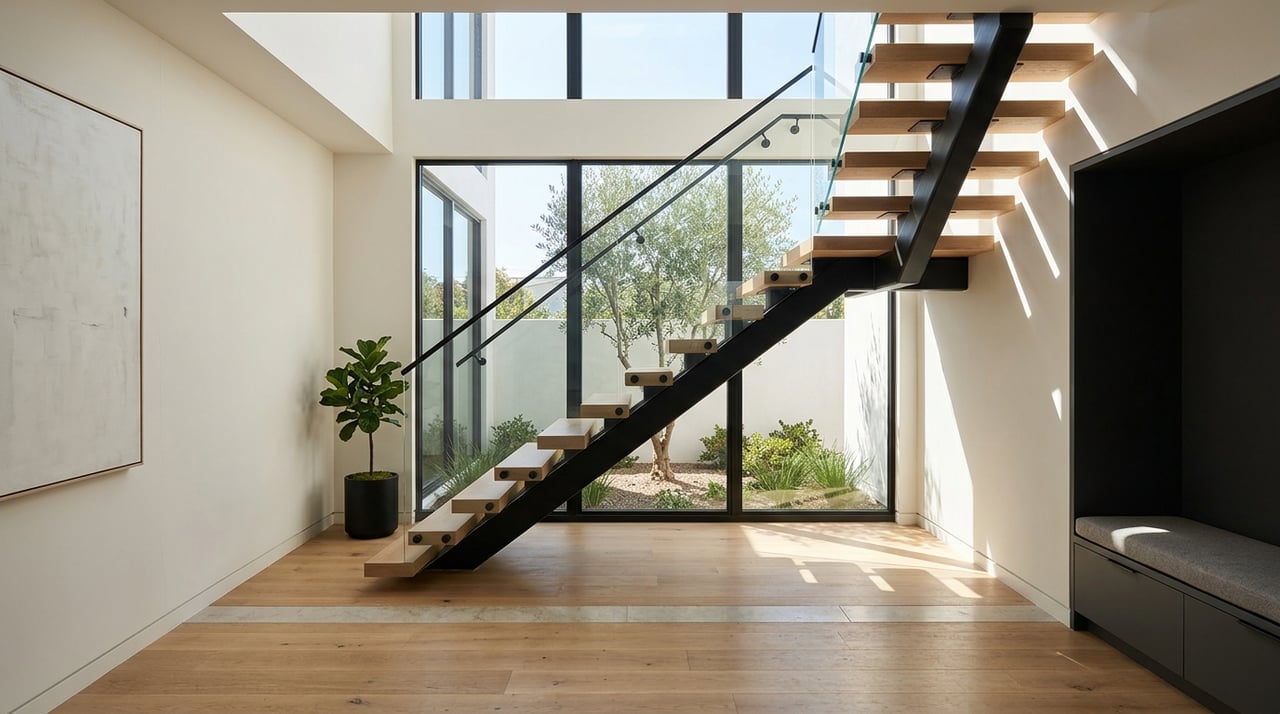
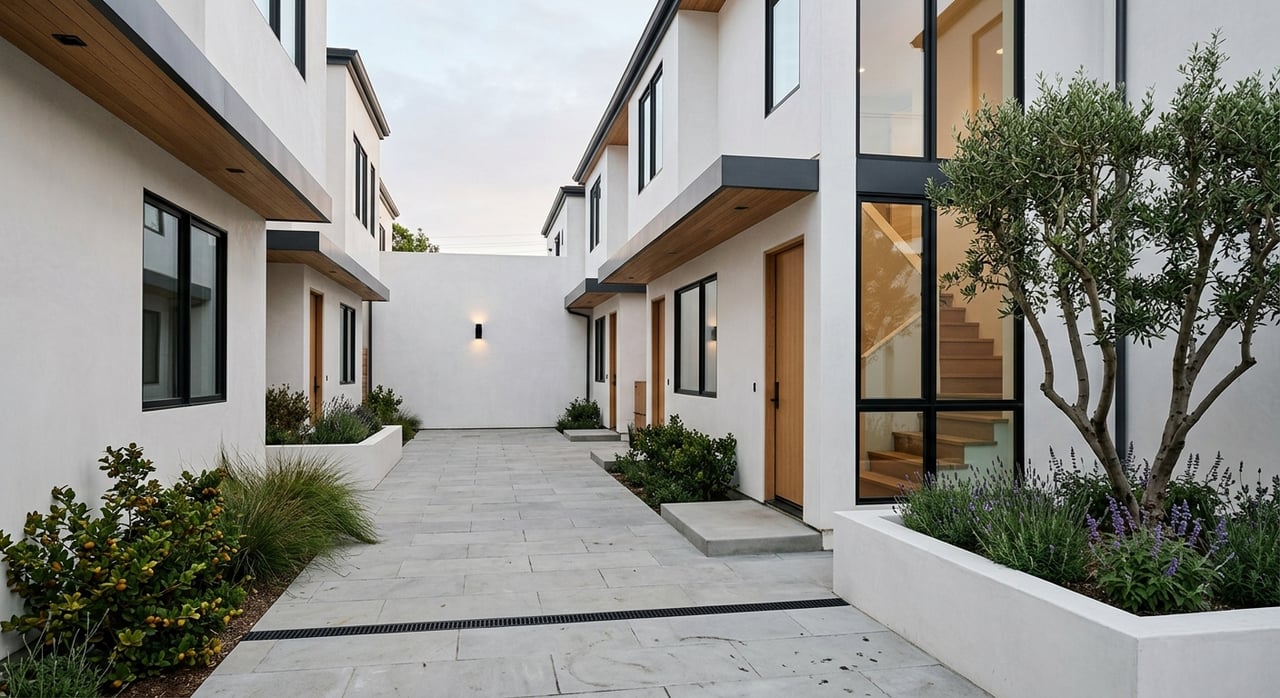
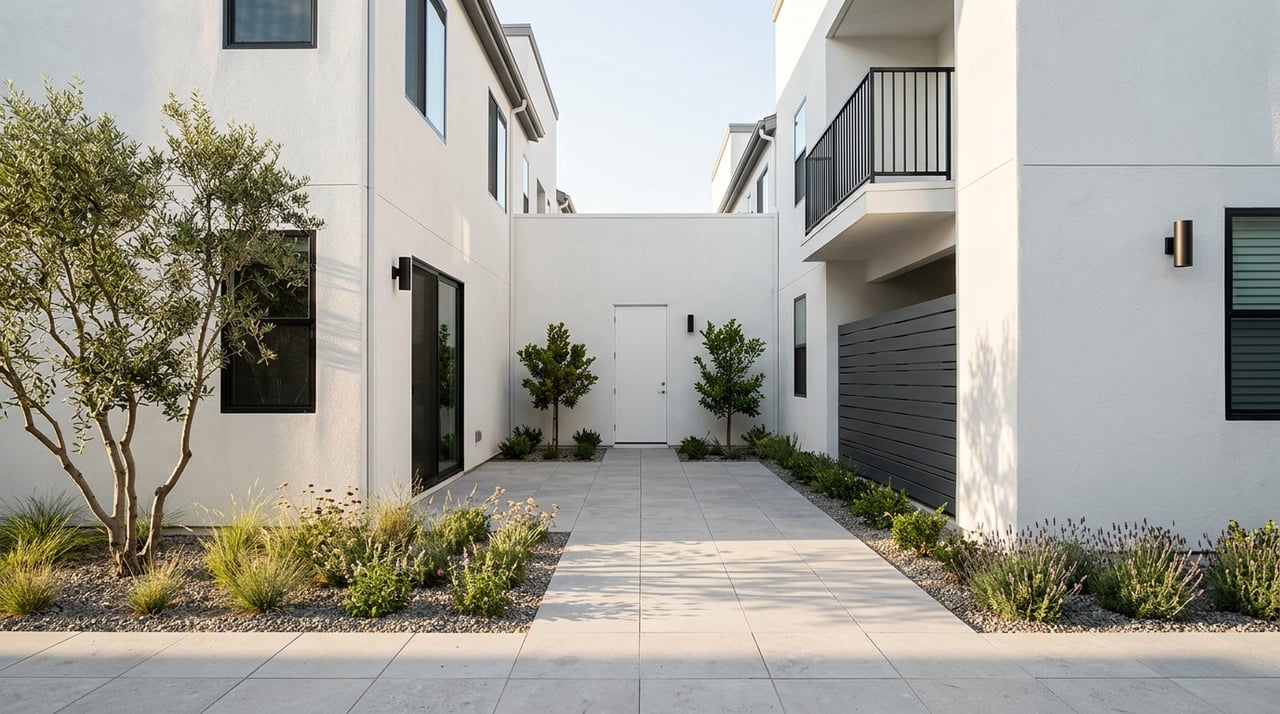


Whether your plans to buy or sell your home are immediate, or in the future, we hope you will take our services seriously. We will show you why working with The Arledge Group and Compass will be the right experience for you. Excellence is expecting more than others think possible.
Get In Touch With Our Team To Learn More

The Arledge Group
[email protected]
(818) 519-4429
Denise Arledge | CA DRE# 01040071
2945 Townsgate Rd Ste 300 Westlake Village CA 91361