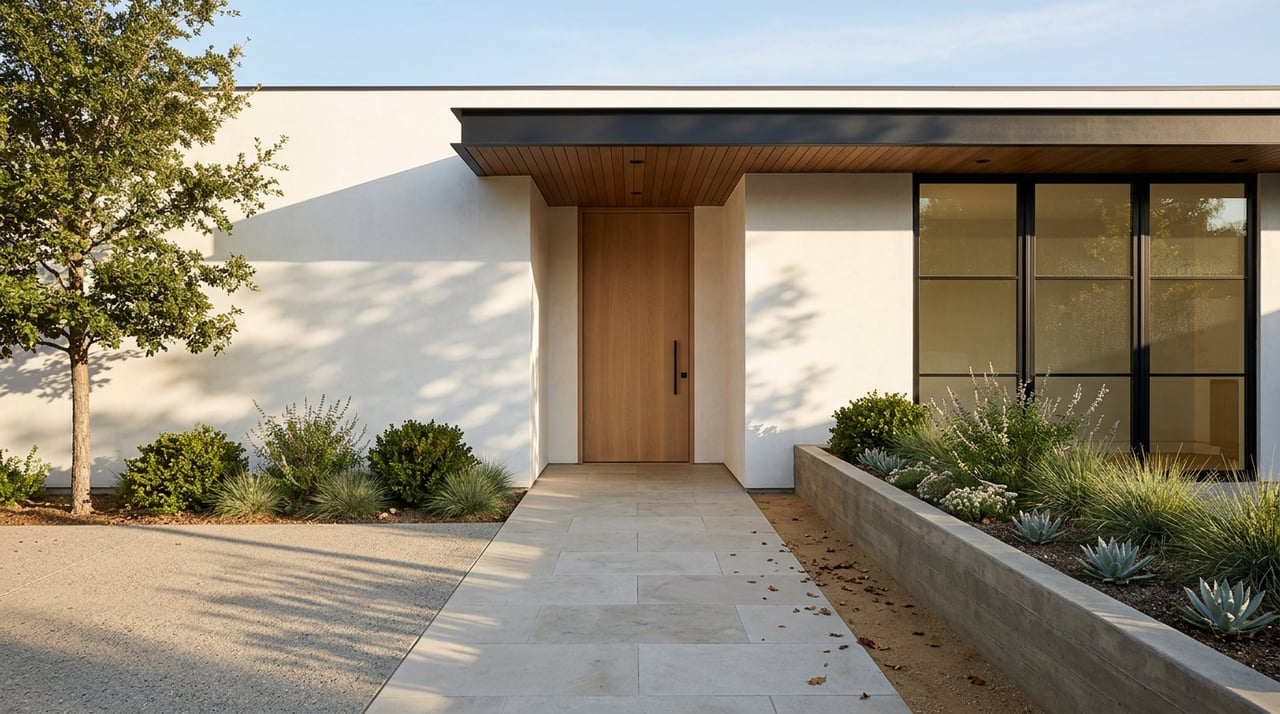
Agoura Hills vs Oak Park: Find the Right Fit for Your Move
March 5, 2026
March 5, 2026
Agoura Hills and Oak Park sit side by side in the Conejo Valley, but they feel different once you start comparing schools, homes, commutes, and daily rhythms. If you are aiming for the right fit for your lifestyle and budget, the details matter. In this guide, you will see a clear, side-by-side look at both communities so you can move forward with confidence. Let’s dive in.
Both places are suburban, outdoorsy, and family friendly, yet they are organized differently. Agoura Hills is an incorporated city in Los Angeles County while Oak Park is an unincorporated community in Ventura County. That affects where you pull permits, which agencies provide services, and how local programs are managed.
On scale and economics, Agoura Hills has an estimated population of around 19,400 and a median household income near $171,300, according to U.S. Census QuickFacts. You can review core stats like population and commute times for Agoura Hills on the Census page for the city, including a mean travel time to work of about 28.6 minutes. For Oak Park, Census data show a population near 13,900 and a mean commute time around 31.1 minutes, which highlights the car-oriented nature of both communities. You can compare those benchmarks on the Census pages for Agoura Hills and Oak Park.
On price context, recent market snapshots from major data providers have shown Agoura Hills with a median near the mid to upper one million range, and Oak Park in the high six to low seven figures depending on the period sampled. Exact medians swing with time and neighborhood mix. Treat these as orientation bands, then confirm current comps for the specific pocket you are targeting.
Here is the practical difference you will see as a buyer. Agoura Hills is a city. It contracts for law enforcement with the Los Angeles County Sheriff’s Department Malibu-Lost Hills Station and for fire services with LA County Fire. You can view city public safety contacts and program links on the Agoura Hills police and fire page.
Oak Park is unincorporated. It receives services through Ventura County and regional agencies. For building or land-use approvals, you would work with Ventura County departments instead of a city hall. The different setups can affect processing timelines, where you go for permits, and how community alerts are delivered.
School districts are often the deciding factor for families. Addresses in Agoura Hills are primarily served by Las Virgenes Unified School District (LVUSD), which includes Agoura High and several distinguished elementary and middle schools. You can confirm high school enrollment processes on the Agoura High School registrar page.
Addresses in Oak Park are served by Oak Park Unified School District (OPUSD). District materials highlight strong academic outcomes across multiple campuses, and Oak Park High receives high marks from independent reviewers. If you are exploring options or interdistrict transfers, review OPUSD’s enrollment options and campus School Accountability Report Cards for current data.
Two important notes for your search:
Agoura Hills offers a wide range of options. You will find established single-family neighborhoods like Lake Lindero and East Agoura, premium pockets such as Morrison Estates, and equestrian-leaning Old Agoura. There are also smaller-lot homes and condo or townhome communities near key corridors, and a luxury tier that includes hillside and lakeside settings around places like Malibou Lake. This variety lets you prioritize lot size, trail access, or proximity to the city’s services and dining.
Oak Park reads as classic suburban Conejo. Many neighborhoods were built from the late 1960s through the 1990s, often with cul-de-sacs, walking paths, and nearby parks or greenbelts. The housing mix is predominantly single-family, with some attached options. Homes often back to open-space corridors and trailheads, which is a draw if you want an everyday connection to the outdoors.
Treat these as directional ranges. The right next step is to review 12-month sold comps for your exact tract or micro-market before making an offer.
Both areas are auto-first communities centered on US-101 and key arterials like Kanan Road. Census benchmarks show a mean commute of about 28.6 minutes for Agoura Hills and 31.1 minutes for Oak Park, which reflects typical drive patterns for the region. You can cross-check those averages on the Agoura Hills Census page and the Oak Park Census page.
Public transit is limited in the immediate neighborhoods. Many commuters drive to Metrolink stations or use regional bus options as a secondary method. If commute time is critical, time your route during peak hours in both directions. Traffic flow on the 101 and canyon feeders can change door-to-door time by a wide margin.
Both communities lean into trail access and parkland. Oak Park connects to the Simi Hills and has an extensive local trail network, including Rock Ridge and Medea Creek paths. For an overview of Oak Park trailheads and connections, explore the Ventura County Trails map.
Agoura Hills offers immediate access to the Santa Monica Mountains, Malibu Creek State Park, and the historic Paramount Ranch area. Local events and park programming ebb and flow throughout the year. To get a feel for the broader park system and community activity, browse the National Park Service updates for the Santa Monica Mountains, including recent event notices.
Agoura Hills also has a defined civic core and recreation center with city-hosted events, while Oak Park’s activity often centers around schools, parks, and neighborhood gatherings. Both deliver an easy outdoor lifestyle with trailheads minutes from most doors.
Wildfire risk is part of life across the hills and open spaces of this area. The Woolsey Fire’s impact at Paramount Ranch remains a clear reminder to plan for defensible space, hardening, and evacuation awareness. For context on historical impacts and recovery, see this reporting on Paramount Ranch. Before you buy, confirm fire maps, local defensible-space rules, and sample insurance quotes.
Property taxes in California start with a base rate near 1 percent of assessed value under Proposition 13, with local bonds and special assessments added on. Certain neighborhoods may also have Mello-Roos or community facilities district charges. Review parcel-level disclosures and speak with your insurance and tax advisors. For a plain-language overview of Mello-Roos, see this explanation of special-district assessments.
Consider these decision drivers to choose the right fit:
If you want a local, data-informed partner to help you compare homes, neighborhoods, and school boundaries with confidence, connect with The Arledge Group. Our team combines deep Conejo Valley expertise with hands-on preparation, Compass Concierge resources, and clear pricing guidance to make your move simpler and more rewarding.
Stay up to date on the latest real estate trends.

Whether your plans to buy or sell your home are immediate, or in the future, we hope you will take our services seriously. We will show you why working with The Arledge Group and Compass will be the right experience for you. Excellence is expecting more than others think possible.
Get In Touch With Our Team To Learn More

The Arledge Group
[email protected]
(818) 519-4429
Denise Arledge | CA DRE# 01040071
2945 Townsgate Rd Ste 300 Westlake Village CA 91361