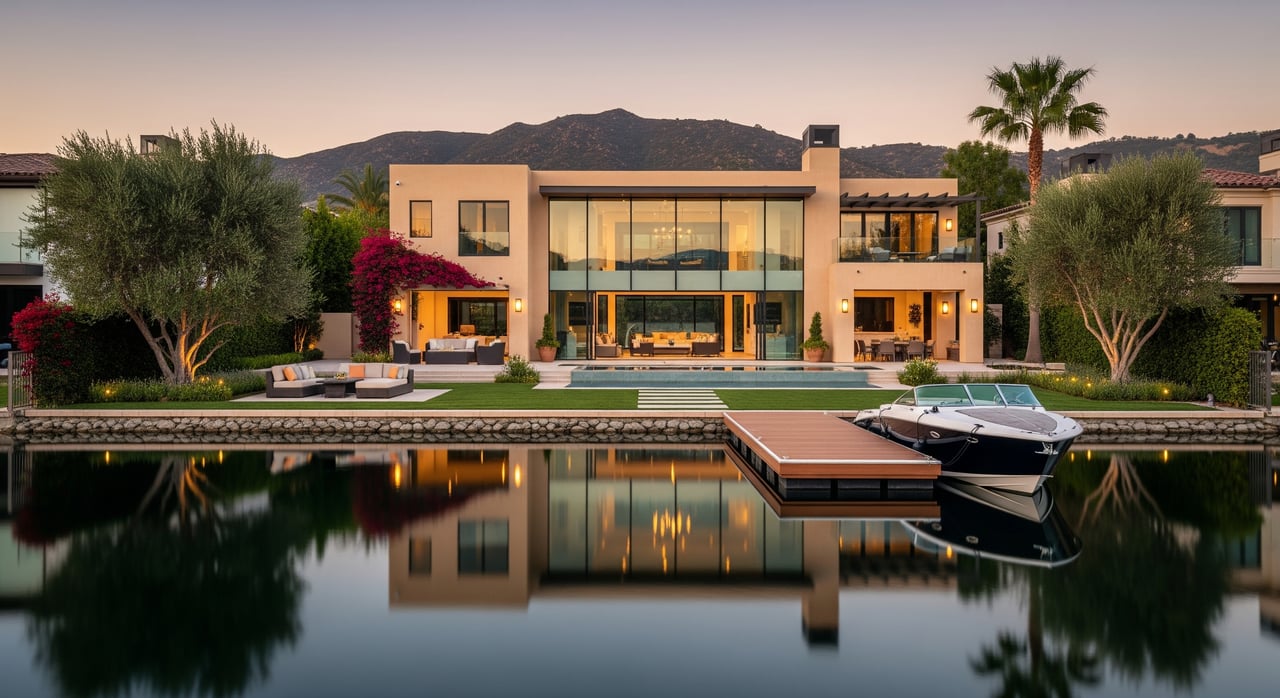
Picture stepping from your patio onto your boat for a sunset cruise, then waking up to water views every day. If you’re drawn to that lifestyle, you’re likely scouting homes around Westlake Lake in Westlake Village. This is a small, competitive micro‑market where dock rights, views, and association rules can change the math on value. In this guide, you’ll learn how the lakefront niche works, what drives pricing, how governance and dock rules affect ownership, and how to prepare a winning offer. Let’s dive in.
Why Westlake Lake is unique
Westlake Lake is a private, man‑made lake within the gated Westlake community, and homes on or near the water form a distinct submarket. Inventory is limited compared to non‑waterfront properties, and demand stays strong because buyers value boating, views, and outdoor entertaining. You’ll see listings marketed with terms like “main channel,” “private dock,” and “deep water,” which signal high‑demand features.
Buyers often include primary‑residence shoppers seeking the on‑water lifestyle, move‑up buyers targeting premium views, downsizers who want lower‑maintenance living with lake access, and sometimes investors exploring high‑end rentals where allowed. Across groups, the top priorities are private docks, direct lake access, and view orientation.
How community governance works
Owning on Westlake Lake typically involves layered governance. Expect a master HOA that handles common areas and community standards. A separate lake association usually manages lake rules, dock design standards, and waterway maintenance. Local municipal and county permits also apply to docks and shoreline structures.
What to review in documents
- CC&Rs and lake rules: docking rights, whether docks are appurtenant to parcels, permitted sizes and materials, guest mooring rules, and penalties for violations.
- Bylaws and enforcement: boating hours, speed limits, permitted watercraft, safety requirements, and fine schedules.
- Budgets and reserves: lake maintenance plans, dock repair responsibilities, and the potential for special assessments.
Practical impact on ownership
Rules can shape how you use the property and what you can sell later. Limits on engine types, boat sizes, or dock modifications can affect your enjoyment and resale value. If you plan to update a dock or add features, confirm the process and approvals required before you buy.
Insurance and maintenance
Confirm whether the association carries separate insurance for lake structures and what you must cover as the homeowner. Ask about responsibilities for docks, seawalls, and shoreline upkeep. Some insurers charge higher premiums for waterfront risks, so get quotes early.
Dock rights and what to verify
Dock rights vary by parcel, and this is one of the most important parts of due diligence. Common structures include deeded private docks, association licenses or revocable permits, and HOA‑owned community slips.
Transfer rules at sale
- Deeded docks or appurtenant easements usually transfer with the property, but you should verify language in the recorded deed and title report.
- Licensed or HOA‑assigned docks may require approval to transfer or may remain tied to a parcel under association rules.
- Check for recorded maintenance obligations, easements for boat access, and rules for rebuilding after weather damage.
Permits and safety standards
Any significant dock replacement or modification typically requires city or county permits and must adhere to lake association design standards. Environmental and local regulations can influence allowable materials and construction methods. Expect to show approvals if you sell later.
Buyer checks for docks
- Obtain the deed and a full title report to confirm dock ownership or easement terms.
- Request association records for dock assignment, prior approvals, inspections, and any violations.
- Order a marine/dock inspection to assess structure, anchoring, decking, utilities, and lighting.
- Confirm who insures the dock and who pays for repair or replacement.
Value drivers that move price
Lakefront pricing is highly parcel‑specific. Instead of focusing on dollar figures, think in terms of tiers and value drivers.
Top value drivers include:
- Main‑channel orientation and unobstructed views. This is the strongest driver because wider water and longer sightlines are rare.
- Dock proximity and direct access. An immediate, private dock is a major premium feature.
- Dock condition and usability. Newly rebuilt or well‑maintained docks reduce uncertainty and near‑term costs.
- Lot size and configuration. Depth to the waterline, usable outdoor space, and privacy matter.
- Orientation and elevation. Higher sightlines and layouts that create better second‑floor exposures add value.
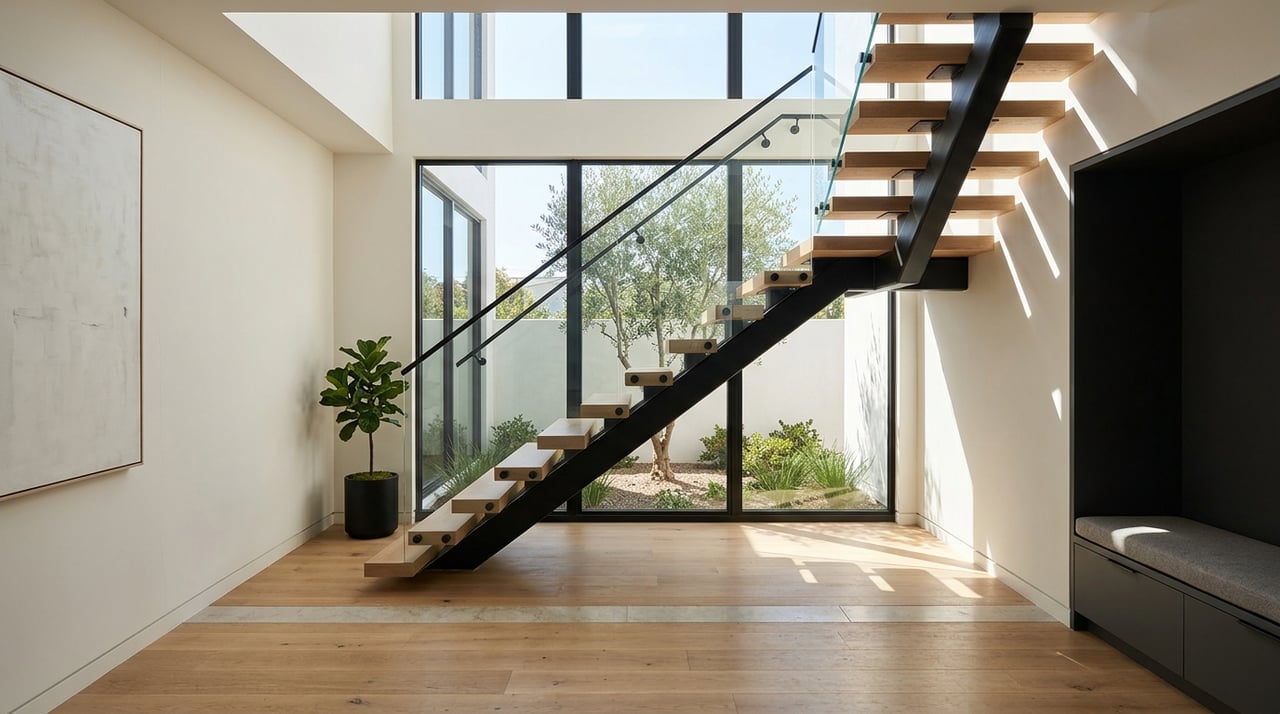
- Interior improvements. Kitchens, baths, and indoor‑outdoor flow help, but the dock and view often rank higher.
- Mooring capacity. Allowed boat size and number of slips can impact daily use and value.
- Convenience and access. Proximity to gates and amenities can be a plus, balanced against privacy.
Lakefront tiers in practice
- Entry lake‑edge: limited or no private dock, side‑arm or indirect views, smaller lots, or docks needing major repair. These often trade at a discount to fully equipped waterfront homes.
- Mid tier: private dock included, partial main‑channel views or strong proximity, updated interiors, and moderate dock condition. This segment attracts steady demand.
- Premium tier: direct main‑channel frontage, larger lots, updated deep‑water docks with modern materials, high privacy, and unobstructed long views. These command top prices and usually sell fastest.
Seasonality and competition
Southern California listing activity often peaks in spring, and waterfront homes can see added momentum in warmer months when buyers can experience the dock and water. Since Westlake Lake inventory is limited, exceptional properties can sell quickly at any time.
Well‑positioned homes often attract multiple offers, especially with strong photography and video that highlight water access and views. Sellers commonly schedule dock work during cooler months when permits and association approvals are easier to arrange.
Signals and strategy
- Watch for marketing that highlights “main channel,” “private dock,” “deep water,” or “recent dock rebuild.” These often indicate premium features.
- Days on market can understate demand if a seller prices aggressively. Fast escrows without price reductions are common for standout parcels.
- Expect competition on prime frontage. Offers with clear proof of funds or preapproval and a plan to resolve dock and permit questions tend to stand out.
Due diligence checklist
Use this checklist early so you can write a cleaner, faster offer when the right home appears:
- Title and recorded documents: confirm whether the dock is deeded, covered by an easement, or assigned by license.
- HOA and lake association: obtain CC&Rs, bylaws, rules, meeting minutes for 12 to 24 months, budgets, reserve studies, and any assessment notices.
- Permits and inspection history: request records for dock construction, rebuilds, electrical permits, structural inspections, and any violations.
- Dock and marine inspection: assess decking, pilings, anchoring, utilities, and safe access.
- Seawall or bank inspection: determine condition, expected lifespan, and repair responsibilities.
- Insurance review: confirm homeowners and umbrella coverage, including any exclusions or riders.
- Boating rules: verify boat size limits, motor restrictions, guest mooring, storage, and parking rules for trailers.
- Survey and boundaries: confirm lot lines, setbacks, and that the dock sits within permitted areas.
- Environmental and municipal checks: ask about any protected species rules, stormwater requirements, and shoreline permits.
Smart offer strategies
- Get fully underwritten preapproval or provide proof of funds to signal strength.
- Address dock questions upfront in your offer notes and include key documents you have already reviewed.
- Use targeted contingencies: dock inspection, clear title to the dock, HOA approval if required, and permit verification.
- Be decisive on prime parcels. Limited supply means you may not see the same combination of dock, frontage, and views again soon.
Working with a local advisor
Lakefront homes are unlike standard suburban listings. You’re assessing lifestyle and technical details at the same time. A local team that understands dock structures, association rules, and valuation nuances can help you avoid surprises and move quickly when a strong property appears.
The Arledge Group pairs deep Westlake Village experience with hands‑on representation. We help you source documents early, coordinate specialized inspections, and structure competitive offers that respect both the property and the rules that govern it. When the right dock and view come together, preparation is everything.
Ready to explore Westlake Lake homes or get strategic about an upcoming purchase? Connect with The Arledge Group to start a focused search and move with confidence.
FAQs
How is the Westlake Lake market different from nearby neighborhoods?
- It’s a smaller, waterfront niche with limited inventory where dock rights, view corridors, and lake rules significantly influence value and competition.
Do all Westlake Lake homes include a private dock?
- No, dock rights vary by parcel and can be deeded, licensed, or assigned, so you must verify ownership and transfer terms through title and association documents.
Can I rebuild or modify an existing dock at purchase?
- Possibly, but you’ll need to follow lake association standards and obtain city or county permits, and approval is not guaranteed.
Who pays for dock maintenance and repairs?
- Responsibility can fall on the homeowner, the association, or both, so confirm recorded obligations and review association budgets and reserve studies.
Are there limits on boat types or size on Westlake Lake?
- Most private lakes have restrictions on watercraft types, engine specifications, and boating hours, so review the lake rules before you buy.
How do main‑channel views affect pricing?
- Main‑channel frontage with unobstructed views is the top value driver and typically commands a premium and faster buyer competition.
When is the best time to shop for a lakefront home?
- Spring often sees more listings and activity, but limited supply means exceptional lakefront properties can sell quickly at any time of year.
What contingencies should I include in my offer?
- Consider a dock inspection contingency, clear title to the dock, HOA and lake association approval where needed, and permit verification for prior or planned work.