Calabasas Home Styles: A Buyer’s Visual Guide
January 1, 2026
January 1, 2026
If you are picturing life in Calabasas but are not sure how to tell a Spanish Revival from a Modern, you are not alone. Many buyers see a beautiful facade and wonder what that style means for layout, upkeep, and long-term value. You want a home that fits your lifestyle and budget, not just your Pinterest board.
This guide shows you how to quickly identify the most common Calabasas home styles, what floor plans to expect, how style affects maintenance and resale, and where each look tends to cluster. You will also get practical tips on HOAs, permits, wildfire readiness, and inspections. Let’s dive in.
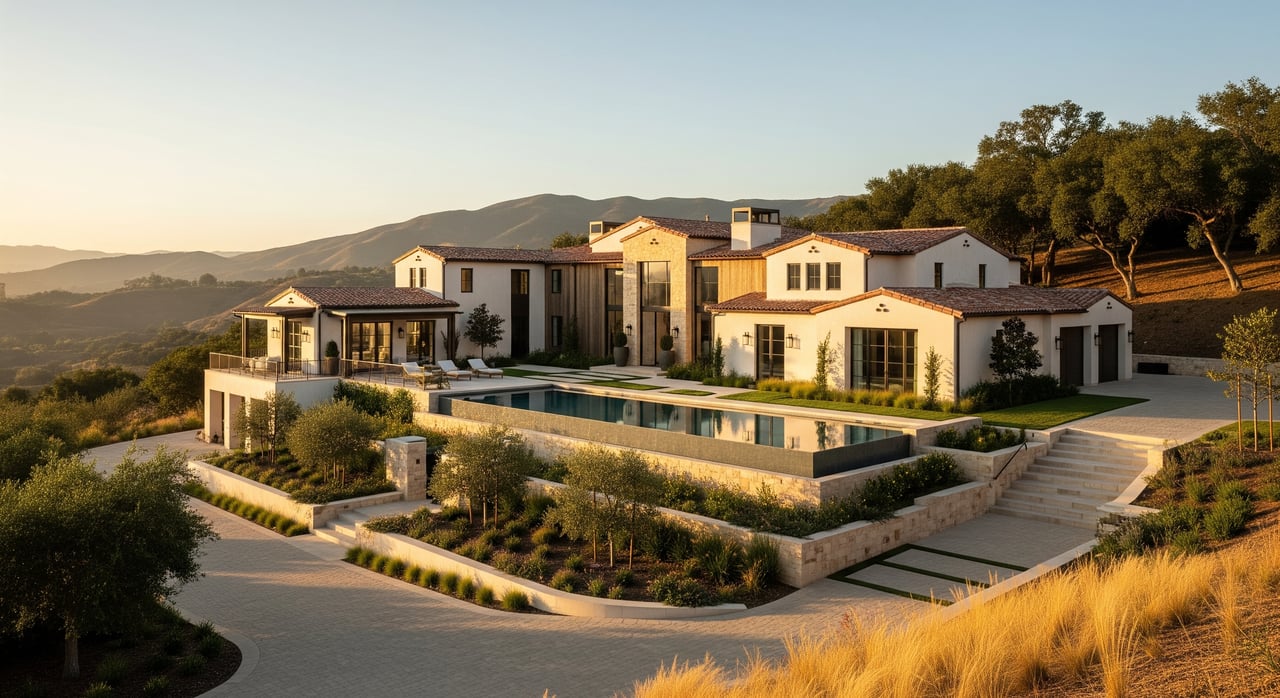
Expect one or two stories with courtyards or entry patios that connect indoor rooms to outdoor spaces. Plans usually include formal living and dining rooms, multiple fireplaces, and family rooms that open to patios or small courtyards. Larger models often provide 3 to 6 or more bedrooms with multi-zone living.
This style rewards you if you value separate formal and casual spaces. If you entertain outdoors or want a home that feels private, Spanish layouts with courtyards can be a great fit.
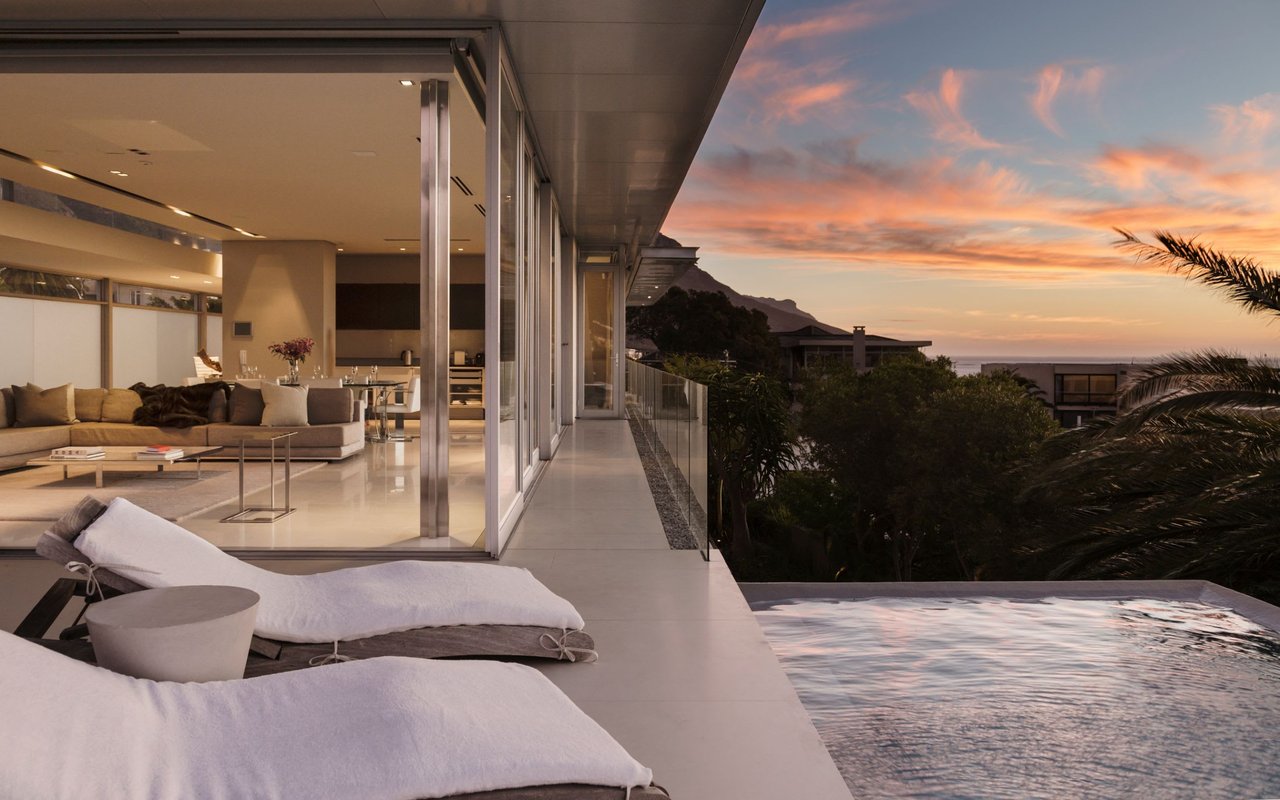
These are estate-style homes with great rooms, high ceilings, and open kitchens with large islands. You will often see separate guest or in-law suites, multiple en suite bedrooms, and outdoor rooms with built-in kitchens and pools. Square footage often ranges well above 3,500 in estate neighborhoods.
Choose this if you want a grand scale, room for hosting, and indoor-outdoor living at a luxury level. Expect higher operating and maintenance costs due to size and amenities.
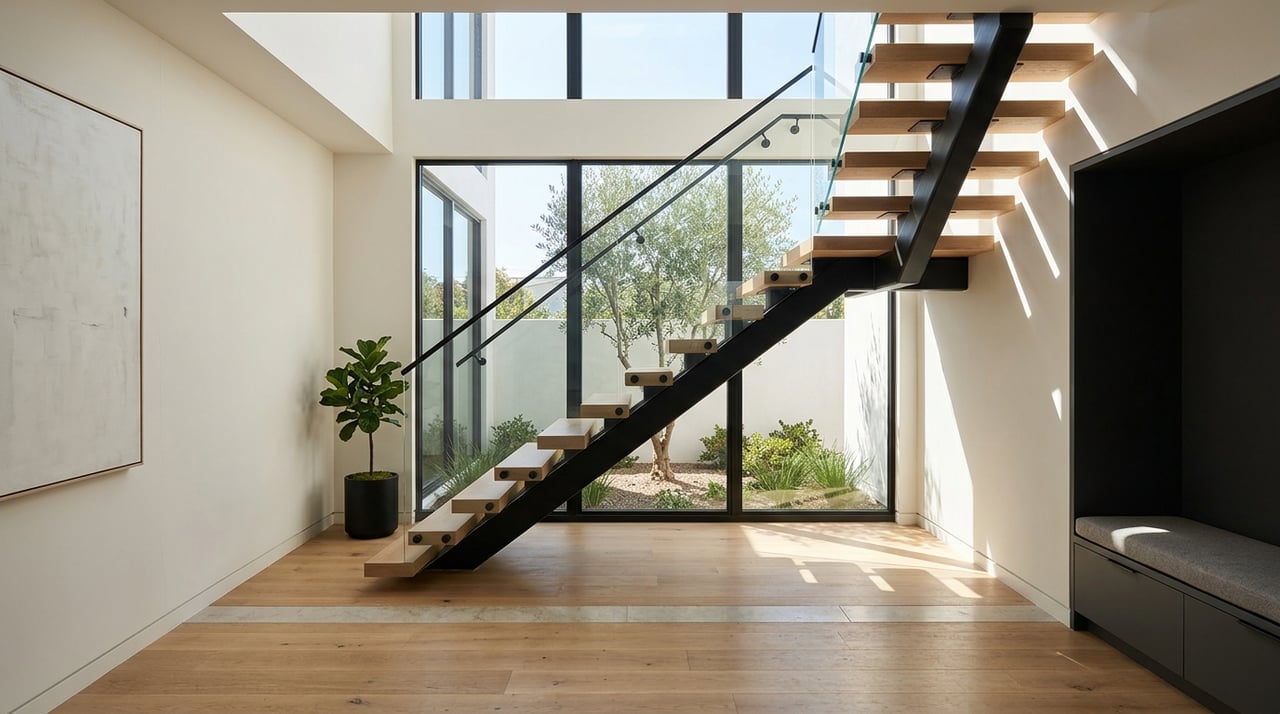
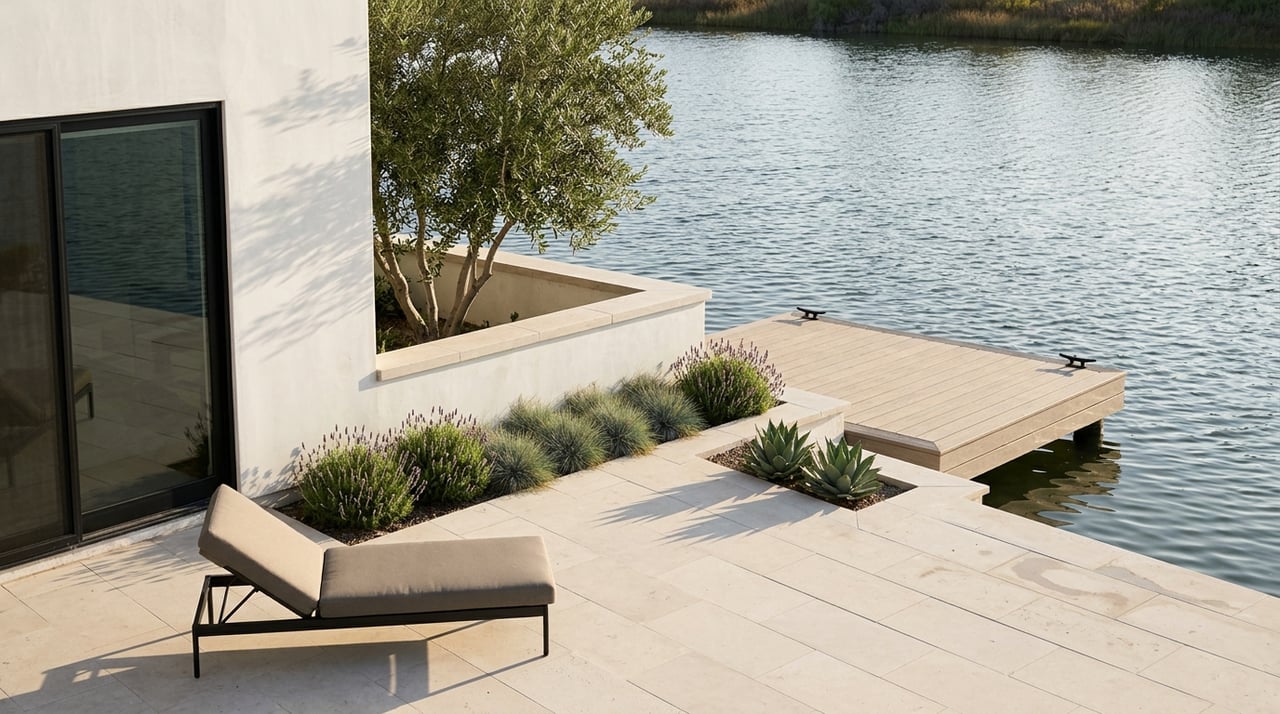
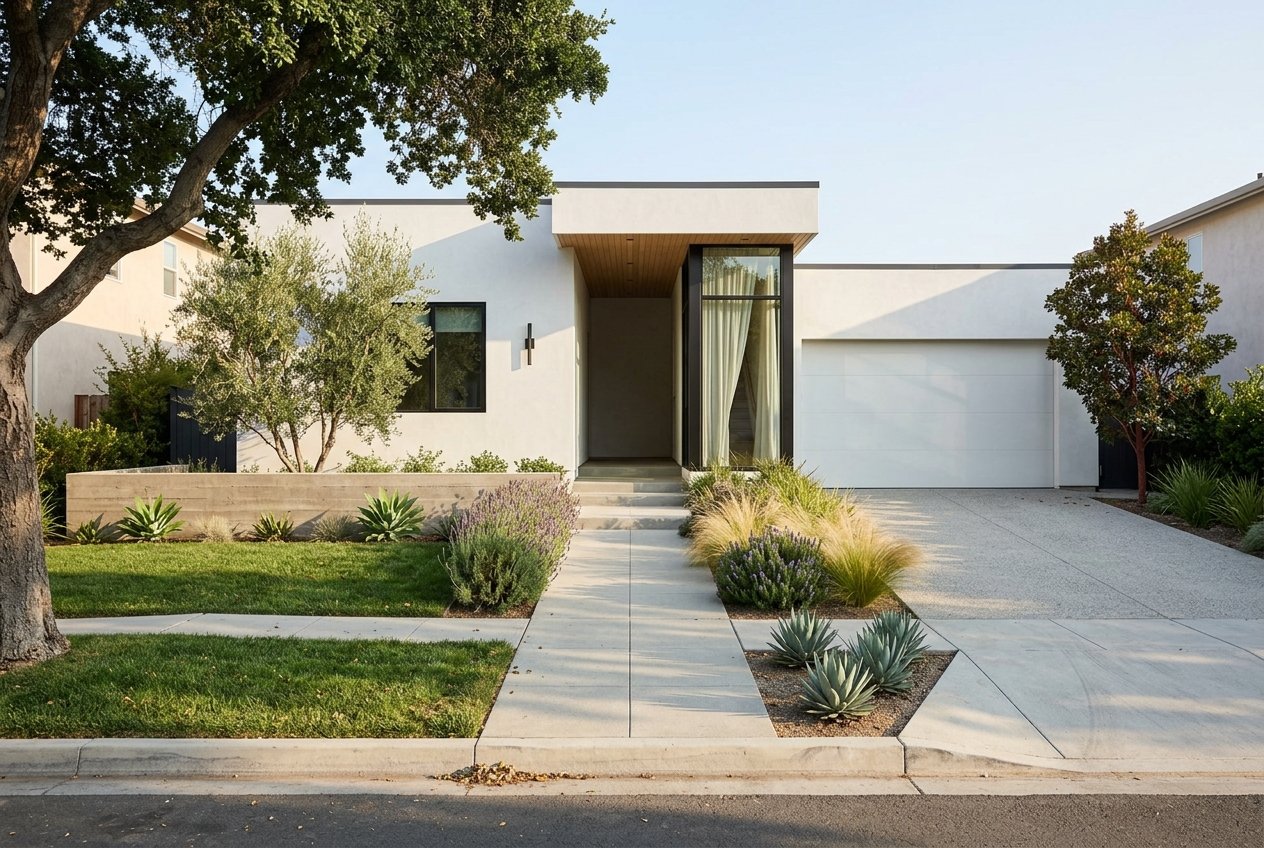
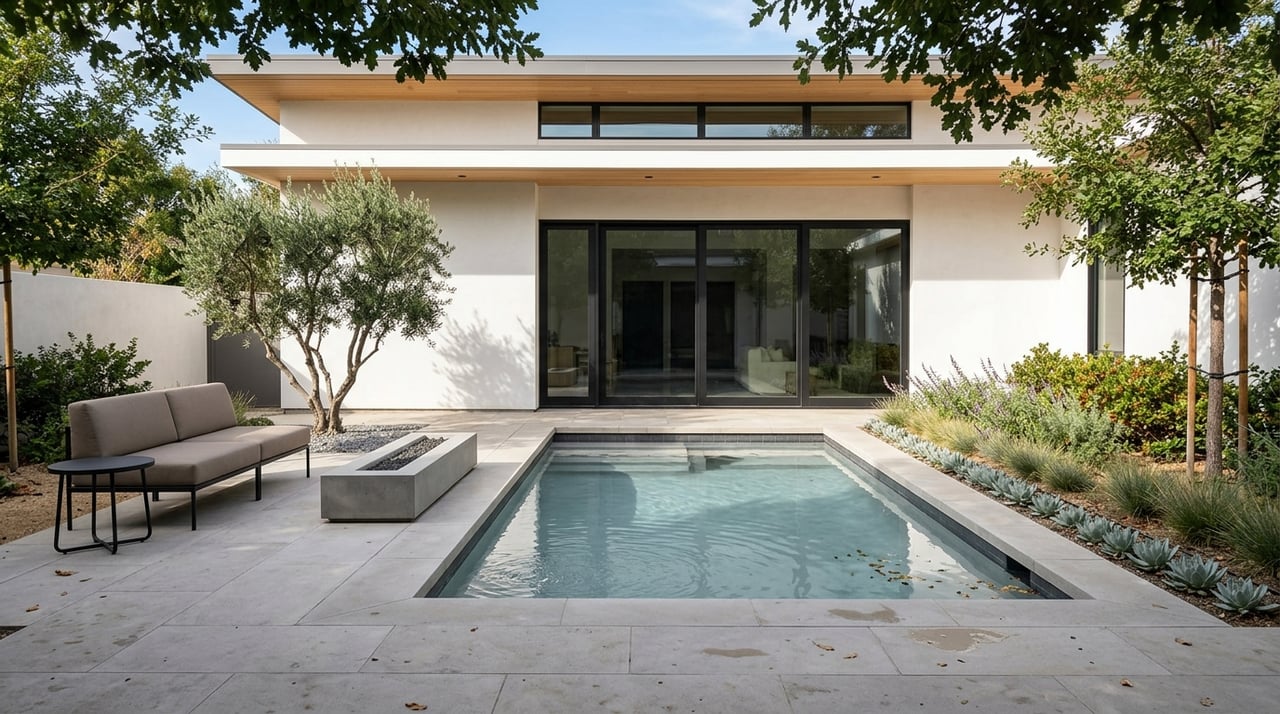
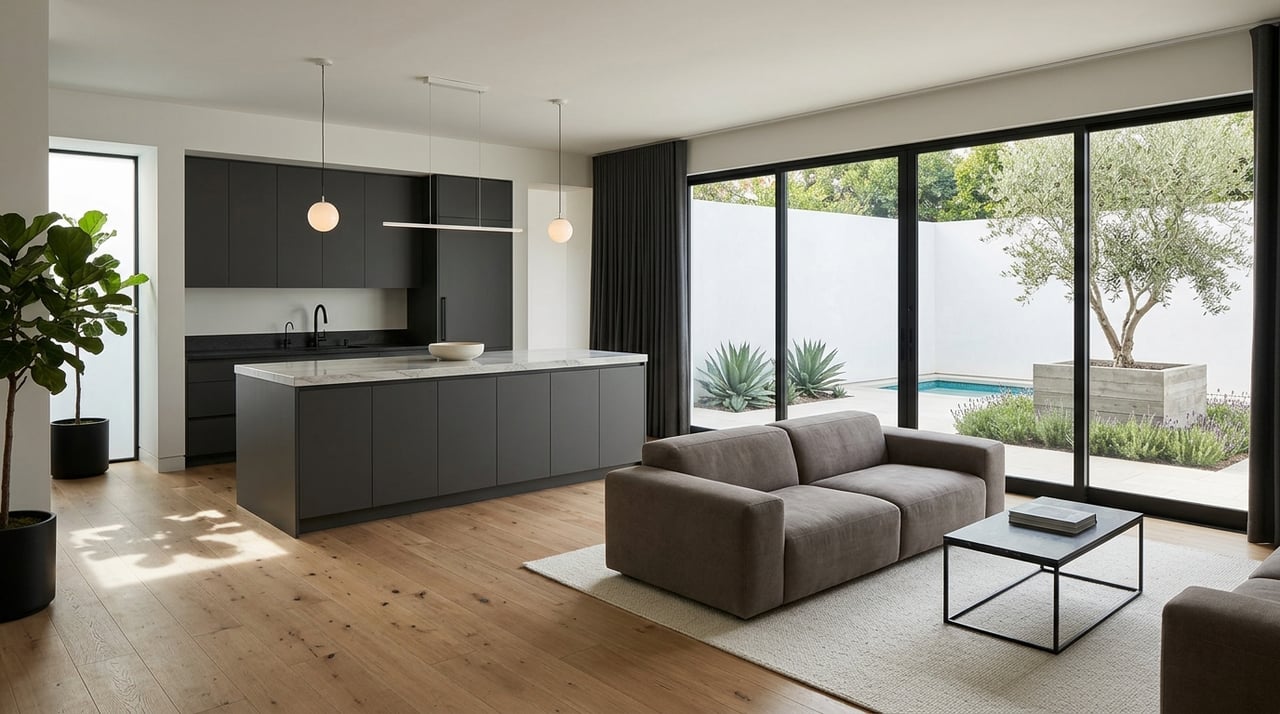
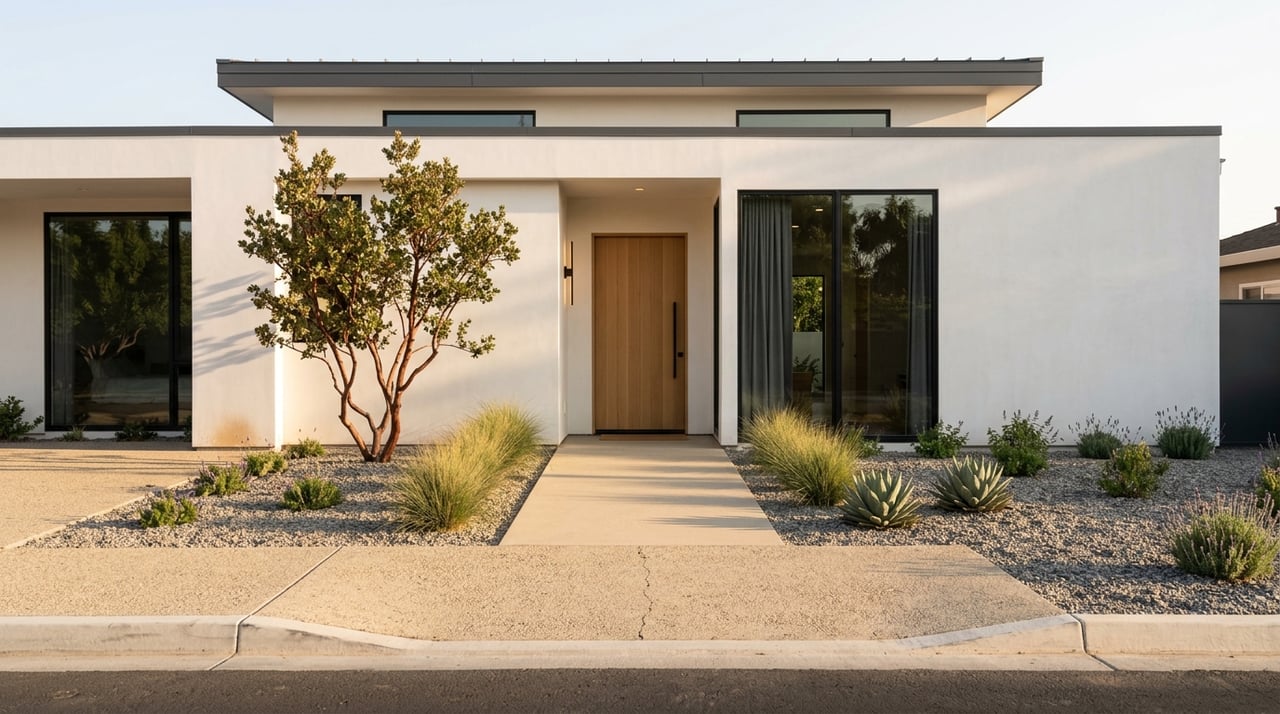
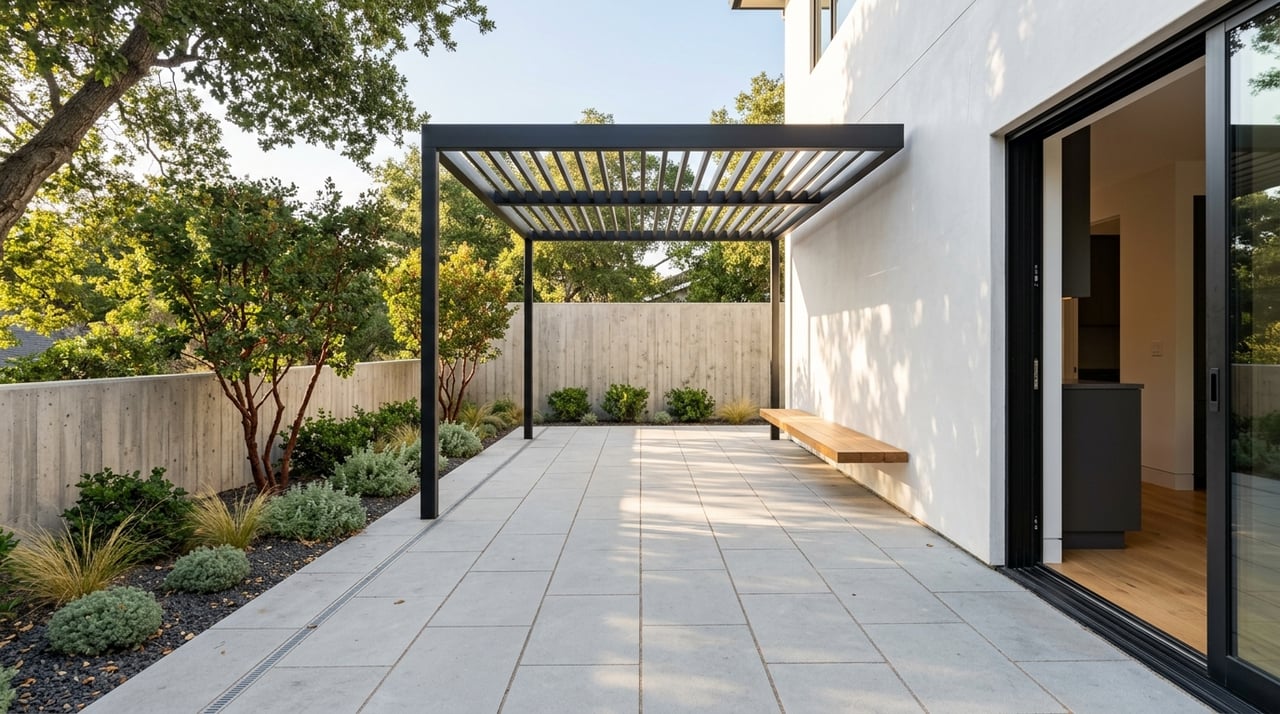
Modern plans favor open sightlines, fewer formal rooms, and walls of glass that frame views. Single-story ranch-modern hybrids appear on flatter lots, while hillside properties may run multi-level with split floors. Circulation is about flow and connection to patios and decks.
If natural light, views, and seamless indoor-outdoor living matter most, modern design can be ideal. Consider shade solutions and glass maintenance as part of your plan.
Ranch homes typically offer one-level living with linear circulation. Living, dining, and kitchen spaces sit along one axis, with bedrooms along another. You will find many 3 to 4 bedroom layouts that have been added onto or remodeled over time.
These homes are popular with buyers who value single-story convenience. If you want to modernize, the straightforward layout can be a good canvas for updates.
The Oaks is one of Calabasas’s premier gated, private-country-club settings with mature landscaping and a range of estate homes. You will find many Mediterranean, Tuscan, Spanish, and modern properties with multi-level designs, large yards, and, in some cases, guesthouses. Floor plans emphasize formal entries, great rooms, chefs’ kitchens, and multiple en suites.
Buyers should plan for HOA and CC&R compliance, gate security, and community maintenance fees. If club amenities are important to you, verify the current status of operations before you buy.
This established area offers custom and semi-custom homes on lots that range from modest to generous. Styles include Mediterranean and Spanish, with ranch and modern remodels mixed in. Floor plans vary from single-story ranch footprints to larger multi-level family homes with 3 to 6 bedrooms.
If you want neighborhood convenience without the highest HOA fees of ultra-premium enclaves, this area provides diverse options. Resale strength often tracks with modernization, lot appeal, and outdoor living upgrades like pools.
Along the Mulholland Highway and Hidden Hills interface, you will see very high-end estates on semi-rural lots, with some equestrian features. In Calabasas Highlands, Lost Hills Road, and Old Town Calabasas, smaller-lot neighborhoods and some townhome inventory sit closer to services. Inventory distribution matters, so expect more Mediterranean in gated, country-club settings and more ranch or single-story options in older neighborhoods, with modern infill or custom rebuilds scattered throughout.
A home’s architectural style influences value, but lot orientation, privacy, and views can be even bigger drivers in hilly Calabasas. Properties that capture canyon or hillside vistas with usable outdoor space tend to attract a deeper buyer pool.
Neighborhood fit also matters. A well-executed Mediterranean estate in a community known for that look typically holds value among luxury buyers. A dramatic modern build can do very well if it is thoughtfully integrated into its streetscape, but design-review rules and buyer preferences may narrow the audience.
Finally, floor plan function often outperforms pure style. Open kitchens with generous family space, updated baths, and indoor-outdoor flow deliver stronger resale than small-scale formal rooms that feel dated.
Calabasas is a city with local permitting and design review. If you plan exterior changes or additions, check with the City of Calabasas Planning Division and Building Department for the current guidelines and processes. Request the property’s permit history to confirm past work was approved and finaled.
Many neighborhoods have HOAs and CC&Rs with architectural review boards. Exterior paint, additions, fences, pools, and landscaping often require approval. Always obtain the CC&Rs, architectural guidelines, and fee schedule early in your search so you know what is possible.
Calabasas sits within or adjacent to wildland-urban interface zones. Brush clearance and defensible space requirements are enforced locally. Look for fire-hardening features like Class A roofing, ember-resistant vents, and non-combustible siding or decking where feasible. Defensible landscaping can improve safety and insurance prospects.
Insurance availability and cost can vary with fire risk. Some homes may require mitigation steps to secure coverage, and deductibles for wildfire can be higher. Get insurance quotes early, ideally during your initial due diligence, so you understand costs before you write an offer.
Choosing a home style in Calabasas is about more than curb appeal. When you match the look to your lifestyle, understand the maintenance picture, and respect HOA and city guidelines, you position yourself for a purchase that lives well and resells well. If you want help narrowing options in The Oaks, Calabasas Park Estates, and nearby neighborhoods, connect with The Arledge Group for local guidance tailored to your goals.
Stay up to date on the latest real estate trends.
Whether your plans to buy or sell your home are immediate, or in the future, we hope you will take our services seriously. We will show you why working with The Arledge Group and Compass will be the right experience for you. Excellence is expecting more than others think possible.
Get In Touch With Our Team To Learn More
The Arledge Group
[email protected]
(818) 519-4429
Denise Arledge | CA DRE# 01040071
2945 Townsgate Rd Ste 300 Westlake Village CA 91361